




Navigating the Continental Stage of 2026
The 2026 World Cup is a massive undertaking. Unlike previous tournaments held in smaller countries, this event spans three massive nations. Moving between matches requires more than just a quick walk or a short drive. Fans need a clear strategy for transport to host venues to ensure they don’t miss a single kickoff. From the urban sprawl of Los Angeles to the historic streets of Mexico City, the logistics are diverse.
At worldcup-2026.info, we aim to simplify your journey. We know that the excitement of the game can be dampened by travel stress. That is why understanding the regional layout is your first priority. North America relies heavily on air travel for long distances, but local transit is the hero on match days. Planning your transport to host venues early will save you both time and money.
Regional Rail and Air Transport to Host Venues
For international travelers, the airplane is the primary mode of transport to host venues. Major hubs like JFK in New York, LAX in Los Angeles, and AICM in Mexico City will be the main entry points. FIFA has worked with airlines to increase flight frequencies during the summer of 2026. However, demand will be at an all-time high. Booking your flights as soon as the draw is finalized is a smart move.

Once you are on the ground, rail travel becomes a viable option in specific corridors. In the Northeast United States, Amtrak connects Boston, New York, and Philadelphia efficiently. This is often a better form of transport to host venues than flying because it drops you in the city center. In Canada, VIA Rail provides similar connections between Toronto and other regional hubs.
In Mexico, the focus is on a mix of domestic flights and luxury bus lines. Mexico has a highly developed bus network that is both comfortable and affordable. For many fans, this will be the preferred transport to host venues when moving between Mexico City, Guadalajara, and Monterrey. These buses often feature reclining seats and Wi-Fi, making the long mountain hauls much more bearable.
Local Transit Systems and Match Day Shuttles
Once you arrive in a host city, the real challenge begins. Every stadium in our Venues section has its own unique transit profile. Some, like BMO Field in Toronto or Lumen Field in Seattle, are very close to the city center. Others, like Gillette Stadium in Foxborough, require a dedicated effort to reach. This is where local transport to host venues becomes critical for the fan experience.
Most host cities are expanding their “Park and Ride” programs for 2026. This type of transport to host venues allows you to park your car at a remote lot and take a high-frequency shuttle to the stadium gates. It is often much faster than trying to navigate stadium traffic yourself. Cities like Atlanta and San Francisco have robust light rail systems that stop directly at the stadiums.
We highly recommend downloading the local transit apps for each city you visit. These apps provide real-time data on bus and train arrivals. During the World Cup, expect these systems to be crowded but very energetic. Using public transport to host venues is also a great way to meet fellow fans from around the world. The “match day vibe” often starts on the train long before you reach the stadium.
Ride-Sharing and Driving Strategies
For those who prefer a more private experience, ride-sharing apps like Uber and Lyft are ubiquitous in the USA and Canada. In Mexico, DiDi and Uber are the top choices. This form of transport to host venues offers door-to-door service, which is great for families or groups. However, you must be aware of “surge pricing” and heavy traffic congestion near the stadiums.
If you choose ride-sharing as your transport to host venues, try to get dropped off a few blocks away from the security perimeter. Walking the last half-mile is often quicker than sitting in a car that isn’t moving. Most stadiums will have designated “Drop-off Zones,” but these can become very congested immediately following the final whistle.
Renting a car is another option, particularly if you plan to explore the surrounding areas. However, as a primary transport to host venues, driving can be a headache. Parking fees at World Cup stadiums can be astronomical. Additionally, some cities may implement “permit-only” parking in neighborhoods surrounding the venues. If you must drive, always pre-book your parking spot through official FIFA or stadium portals to ensure you have a space waiting for you.
Smart Tips for a Stress-Free Journey
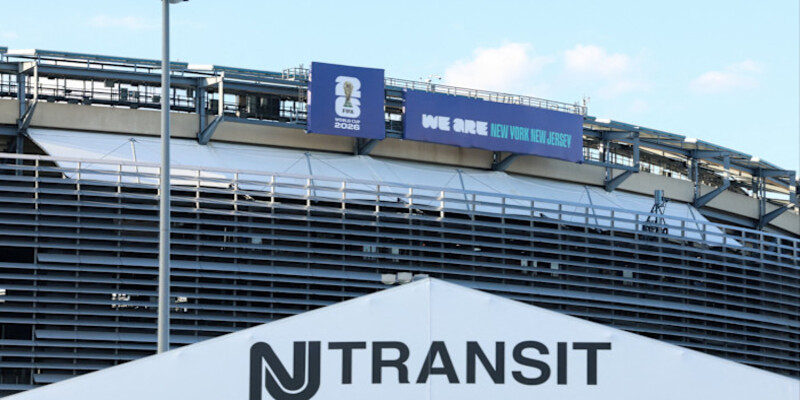
To master your transport to host venues, you need to think like a local. Always give yourself a two-hour “buffer” for any journey. If a map says it takes 30 minutes, assume it will take 90 minutes on game day. The sheer volume of people will slow down every part of the infrastructure. This is the most important piece of advice for anyone planning their transport to host venues.
Stay updated by checking the Schedules and local news regularly. Sometimes, transit lines undergo emergency repairs or routes are diverted for fan marches. Being flexible is key. If the train is too crowded, have a backup plan involving a bus or a long walk. Most host cities are very walkable in the areas immediately surrounding the stadiums.
Finally, keep your physical and digital maps ready. Sometimes cell towers get overloaded in large crowds, making GPS unreliable. Having a downloaded map of your transport to host venues route is a life-saver. Wear comfortable shoes, stay hydrated, and enjoy the journey. The travel is part of the adventure, and arriving at the stadium should be a moment of triumph, not exhaustion.
Conclusion: The Seamless Path to the Pitch
In conclusion, the success of your World Cup trip depends on your transport to host venues. By combining air travel, local rail, and smart shuttle usage, you can navigate the continent with confidence. Each of the three host nations offers a different set of challenges and rewards. Whether you are taking the SkyTrain in Vancouver or a shuttle in Miami, the goal is the same: getting to the game on time.
Plan ahead, stay informed, and get ready for an unforgettable experience. The stadiums are waiting, the teams are ready, and now you have the tools to get there. See you on the road to the World Cup!