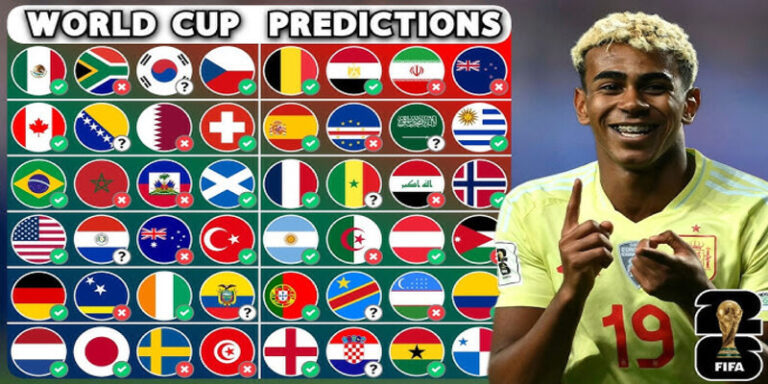




The Influence of National Team Rankings on 2026
The countdown to the 2026 World Cup is officially in its final stages. For fans and analysts, the global standings are more than just numbers on a page. National team rankings serve as a vital barometer for team health, momentum, and potential seeding. With the tournament expanding to 48 teams, the weight of these positions has never been heavier. They dictate who faces the giants and who gets a smoother path through the group stages.
At worldcup-2026.info, we believe that understanding the ladder is key to predicting the tournament’s outcome. These standings are calculated based on match results, the importance of the game, and the strength of the opponent. A high spot in the team rankings can boost a squad’s confidence significantly. Conversely, a sudden drop can signal internal trouble or a dip in form at the worst possible time.

As we look at the current landscape, the gap between the traditional elite and the rising powers is closing. This volatility makes the National team rankings a fascinating topic for debate in every football pub. Whether you are a casual viewer or a hardcore statistician, the movement in these lists tells the story of global football’s evolution. Let’s dive into the specifics of how these rankings are currently shaping the 2026 narrative.
Dominance at the Top of the National Team Rankings
The summit of the global ladder remains a battleground for the usual heavyweights. Teams like France, Argentina, and Brazil have consistently swapped the number one spot over the last two years. Their high National team rankings are a result of sustained excellence in both continental championships and qualifiers. These nations set the standard that everyone else strives to reach.
France, with its incredible squad depth, has used the team rankings to maintain its status as a permanent favorite. Their ability to consistently win matches against top-tier European opposition keeps their point tally high. Meanwhile, Argentina’s recent successes have solidified their place in the top three. For these giants, staying high in the National team rankings is a point of national pride and a tactical advantage for the final draw.
In our Teams section, you can find a deep dive into the statistical history of these top seeds. We analyze how their individual wins contributed to their current team rankings. It is interesting to see how a single loss in a friendly can sometimes cost a team a top-three spot. This high-stakes environment ensures that every international break is treated with the utmost seriousness by the world’s best managers.
Impact of Qualifiers on National Team Rankings
The road to North America has been a major driver of change in the standings. As teams compete in their respective confederations, the National team rankings fluctuate after every matchday. The South American qualifiers, often called the “meat grinder,” provide huge point swings. A win in Montevideo or Buenos Aires carries massive weight in the team rankings due to the difficulty of the competition.
In Africa and Asia, we are seeing historic climbs. Nations that were once outside the top 50 are now knocking on the door of the top 30. Their success in the team rankings reflects a broader investment in youth development and infrastructure. As these teams win more consistently against established rivals, their coefficient grows. This makes them dangerous “pot 2” or “pot 3” teams that no one wants to draw.
The North American host nations—USA, Canada, and Mexico—have a unique challenge. Since they don’t play traditional qualifiers, they rely on the Nations League and friendlies to maintain their National team rankings. A lack of competitive matches can sometimes lead to a “static” ranking. However, strong performances in summer tournaments have helped the USA and Mexico stay competitive in the global National team rankings throughout the 2026 cycle.
Rising Underdogs in the Team Rankings
One of the most exciting aspects of the 2026 cycle is the rise of the underdog. We have seen several nations leapfrog traditional powers in the National team rankings. These “climbers” often benefit from a golden generation of players competing in Europe’s top leagues. Their ascent in the team rankings is a warning to the traditional elite that the 48-team tournament will be full of surprises.
These shifts are particularly important for the intercontinental play-offs. Teams with better National team rankings often receive a more favorable bracket in these “last chance” tournaments. Being the “highest-ranked” team in a play-off group can provide a psychological edge.
How National Team Rankings Affect Group Seeding
The final utility of these standings comes down to the official draw. FIFA uses the National team rankings to place teams into “pots.” Pot 1 contains the hosts and the highest-ranked teams. This ensures that the top eight to twelve teams in the National team rankings don’t face each other in the group stage. It is a system designed to keep the big matches for the knockout rounds.
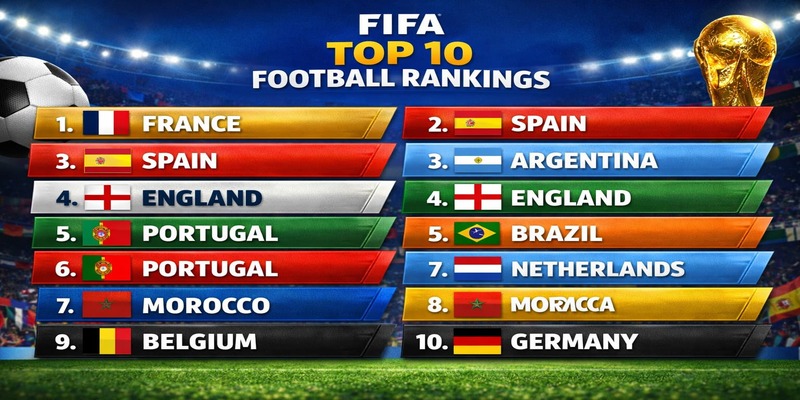
If a team falls just one spot short in the National team rankings, they could end up in Pot 2. This means they might have to face a giant like France or Brazil in their very first game. The stress of the National team rankings during the final months before the draw is immense for mid-tier nations. Every goal scored and every clean sheet kept can be the difference between a “Group of Death” and a manageable path.
As we look toward the final seedings, the National team rankings will be the ultimate guide. Fans should keep a close eye on the “live” rankings as the international windows conclude. At worldcup-2026.info, we will continue to provide the latest data and projections. The 2026 World Cup promises to be a festival of football, and the hierarchy established by these rankings will be the foundation of the drama.
Conclusion
In conclusion, the National team rankings are a vital part of the World Cup ecosystem. They offer a snapshot of the world’s footballing hierarchy at any given moment. From the dominance of the top seeds to the rapid rise of the underdogs, the standings reflect the passion and progress of the sport. As the tournament in North America draws near, these numbers will determine the destiny of many nations.
Stay informed, keep track of the points, and watch how the National team rankings evolve. Whether your team is at the top or climbing from the bottom, the road to 2026 is paved with statistics and stories. We look forward to seeing how these rankings translate to the pitch when the first whistle blows in 2026. The world is ready, the rankings are set, and the magic is about to begin.