




The Immortal Legacy of Estadio Azteca History
When we discuss the greatest cathedrals of football, one name stands above the rest. Located in the heart of Mexico City, this stadium is more than just concrete and grass. It is a monument to the beautiful game. The Estadio Azteca history is a rich tapestry of drama, skill, and unparalleled passion. For the 2026 World Cup, it will achieve something no other stadium has: hosting three different opening matches across three different eras.
At worldcup-2026.info, we believe that understanding the past is key to enjoying the future. The stadium opened its doors in 1966. Since then, it has become the spiritual home of Mexican football. The Estadio Azteca history is defined by its massive capacity and its intimidating atmosphere. Rising high above sea level, it challenges every athlete who steps onto its pitch. It is a place where legends are tested and only the strongest survive.
Walking through the tunnels of this arena feels like walking through a museum. You can almost hear the echoes of past crowds. The Estadio Azteca history is not just about the matches; it is about the cultural impact on Mexico. It has hosted popes, legendary concerts, and the most famous goals ever scored. As we look toward 2026, this legacy provides the perfect foundation for the next chapter of global soccer.

Iconic Moments in Estadio Azteca History
You cannot mention Estadio Azteca history without talking about the giants of the game. In 1970, the world watched as Pelé led Brazil to glory. That tournament cemented the stadium’s reputation as a world-class venue. The images of Pelé being carried on the shoulders of fans are central to Estadio Azteca history. It was the first time the world saw the magic of the “Yellow Shirt” in such a grand setting.
Sixteen years later, the stadium welcomed the world again. In 1986, Diego Maradona took center stage. This era of Estadio Azteca history gave us the “Hand of God” and the “Goal of the Century.” Both occurred in the same match against England. These moments are etched into the soul of the stadium. No other patch of grass on Earth has seen such concentrated genius. Maradona’s solo run is a defining chapter of Estadio Azteca history that will be told for centuries.
These tournaments transformed the venue into a place of pilgrimage. Fans don’t just go there to watch a game; they go to connect with the greats. The Estadio Azteca history also includes the “Game of the Century” between Italy and West Germany. That 4-3 thriller proved that this stadium brings out the best in every team. The high altitude and the roaring fans create a unique pressure cooker. This pressure has produced some of the most memorable highlights in sporting history.
Modernizing a Landmark for 2026
Preserving the Estadio Azteca history while moving into the future is a delicate task. For the 2026 World Cup, the stadium is undergoing significant renovations. FIFA requires modern amenities that did not exist in the 1970s or 80s. However, the architects are careful not to erase the Estadio Azteca history that fans love. The goal is to blend 21st-century luxury with 20th-century soul.
If you check our Venues section, you will see the scale of these updates. The lighting systems are being replaced with high-tech LED arrays. The seating is being refreshed to improve comfort and safety. Despite these changes, the iconic silhouette of the stadium remains. Protecting the Estadio Azteca history means keeping that intimidating “bowl” shape that traps the sound. When 80,000 people scream inside the Azteca, the ground literally shakes.
The renovation also focuses on the surrounding area. New fan zones and improved transport links are being built. These updates ensure that the Estadio Azteca history continues to grow in a modern context. Digital connectivity is being boosted so fans can share their experiences instantly. Yet, even with high-speed Wi-Fi and luxury suites, the essence of the venue remains the same. It is a place where history happens, and the 2026 opening match will be the latest proof.
Tactical Challenges and Estadio Azteca History
The technical side of Estadio Azteca history is often a nightmare for visiting teams. At 2,200 meters above sea level, the air is thin. This has played a huge role in the Estadio Azteca history of the Mexican National Team. “El Tri” has a massive home-field advantage here. The ball travels faster through the air, and players fatigue much quicker. This environmental factor is a constant theme in Estadio Azteca history.
Visiting coaches often spend weeks preparing for the altitude. They use oxygen chambers and arrive early to acclimate. This tactical battle is a fascinating part of the Estadio Azteca history. Teams that underestimate the conditions usually pay the price in the second half. This creates a psychological barrier for opponents. They aren’t just playing against eleven players; they are playing against the Estadio Azteca history and the very air they breathe.
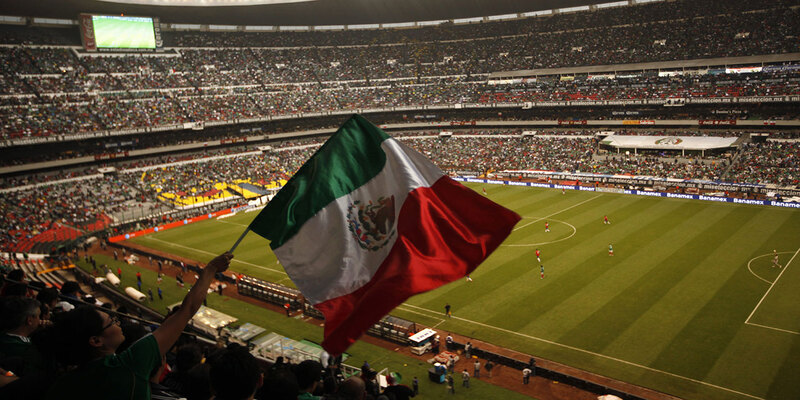
Furthermore, the pitch itself has a storied past. The grass at the Azteca must be durable enough to withstand the intense Mexican sun and heavy rains. Over the decades, groundskeepers have mastered the art of maintaining this sacred turf. The Aztecs’ history is written in the dirt and the grass of this field. Every blade of green has been trodden upon by the greatest players to ever live. In 2026, a new generation will have to learn how to master this challenging environment.
The Future of Estadio Azteca History
As we approach the next World Cup, the excitement is building. The Estadio Azteca history is about to receive its most ambitious update yet. Hosting the opening match once again is a fitting tribute. It acknowledges that while North America has many shiny new stadiums, none have the soul of the Azteca. The Estadio Azteca history is the heartbeat of the 2026 tournament.
We expect the 2026 opener to be a global celebration. It will honor the Estadio Azteca history while showcasing the future of the game. Fans from the USA and Canada will travel south to experience this atmosphere. They will realize that Estadio Azteca history belongs to everyone who loves football. It is a shared heritage that transcends borders. The stadium is a bridge between the old world of football and the new, expanded format.
In conclusion, the Estadio Azteca history is the ultimate story of footballing excellence. From Pelé to Maradona, and soon to the stars of 2026, this venue remains the center of the universe. It has survived earthquakes, political shifts, and the changing face of sports. Yet, the Azteca stands tall. By respecting the Estadio Azteca history, we ensure that the 2026 World Cup has a foundation of true greatness. The roar of the crowd is coming back, and history is ready to be made once again.