


Savoring the World Cup 2026 Experience
The 2026 World Cup is a feast for the eyes on the pitch, but it is also a feast for the stomach. Spanning across the United States, Canada, and Mexico, this tournament offers a culinary diversity never seen before in sporting history. To navigate this vast menu, fans need reliable Local food guides that go beyond the typical stadium hot dog. Each host city brings a unique flavor profile to the table, rooted in history and local passion.
At worldcup-2026.info, we believe that food is the universal language of the fan. Whether you are celebrating a last-minute goal or comforting yourself after a loss, a great meal makes the moment. Exploring the host nations through their kitchens is a vital part of the journey. From the spicy streets of Guadalajara to the seafood markets of Vancouver, these Local food guides are designed to lead you to the most authentic bites.
The beauty of a continental tournament is the variety. You can have a heavy breakfast in Philly, a light lunch in Toronto, and a late-night feast in Mexico City. Our goal is to ensure you don’t waste a single calorie on mediocre tourist traps. Let’s dive into the essential culinary landscape of 2026.
Regional Highlights in Local Food Guides

Every region hosting the games has a “signature” dish that defines its identity. When you look at professional Local food guides, you see that the continent is divided into distinct flavor zones. Understanding these zones helps you plan your meals just as carefully as your match tickets.
The Mexican Heartland
In Mexico City, Guadalajara, and Monterrey, the food is the soul of the city. Forget what you know about “Tex-Mex.” Here, you must try Tacos al Pastor—pork marinated in dried chilies and spices, cooked on a vertical spit. It is the ultimate street food for fans on the go. Any good Local food guides for Mexico will also point you toward Tortas Ahogadas in Guadalajara, a “drowned” sandwich that is as spicy as the local football rivalries.
The Canadian Coast and Cities
Canada offers a blend of European tradition and fresh Pacific ingredients. In Toronto, the Peameal Bacon Sandwich at St. Lawrence Market is a rite of passage. If your travels take you to Vancouver, the focus shifts to sushi and fresh salmon. Many Local food guides for Canada emphasize the multiculturalism of the food scene, where you can find world-class Cantonese or Indian cuisine just blocks from the stadium.
The American Melting Pot
The US host cities are famous for their regional specialties. In Kansas City and Dallas, BBQ is king. You haven’t truly visited the heartland until you’ve tried “burnt ends” or slow-smoked brisket. Moving to the Northeast, Local food guides for Philadelphia will always start with the iconic Cheesesteak. In Miami, the Cuban sandwich is the fuel of choice for the vibrant local fan base.
Mastering Street Food with Local Food Guides
Stadium food is expensive and often predictable. The real magic happens on the sidewalks and in the “Fan Zones.” Mastering the art of street eating is a core skill for any traveling supporter. Using Local food guides to find the best vendors can save you money and give you a more memorable experience.
In Mexico, the “puesto” (street stall) is a social hub. Watch where the locals gather. A long line is the best review a vendor can get. When following Local food guides, remember to check for cleanliness, but don’t be afraid of the authentic experience. Street corn (Elote) covered in lime, chili, and cheese is the perfect halftime snack.
In American cities like Seattle or Los Angeles, food trucks are the stars. These mobile kitchens offer everything from Korean tacos to gourmet grilled cheese. In our Travel section, we provide maps of where these trucks congregate near the match venues. Reliable Local food guides suggest checking the social media accounts of these trucks for real-time locations, as they often move to follow the largest crowds.
Evaluating Quality in Local Food Guides
Not all recommendations are created equal. When you are reading Local food guides, you should look for specific markers of quality. Avoid lists that only mention restaurants in five-star hotels. The best food is usually where the workers eat, tucked away in neighborhoods like Deep Ellum in Dallas or Coyoacán in Mexico City.
A great guide should offer a range of price points. A Local food guides entry for New York, for example, should include both a $1.50 slice of pizza and a high-end steakhouse. It should also mention the “wait times.” During the World Cup, popular spots will be packed. Savvy fans use Local food guides to find “hidden gems”—the places that are just as good as the famous spots but located three blocks further away from the main tourist drag.
We also look for guides that cater to dietary needs. With fans coming from every continent, the demand for vegan, halal, and gluten-free options will be high. Modern Local food guides are becoming much better at flagging these options. Whether you need a plant-based burger in San Francisco or a dairy-free dessert in Montreal, the information is out there if you know where to look.
Tips for Using Local Food Guides Effectively
To make the most of your culinary journey, you need to be proactive. Don’t wait until you are starving to check your Local food guides. The best strategy is to pick your “must-eat” spot the night before. This allows you to check for reservations or opening hours, which can be erratic during major holidays or match days.
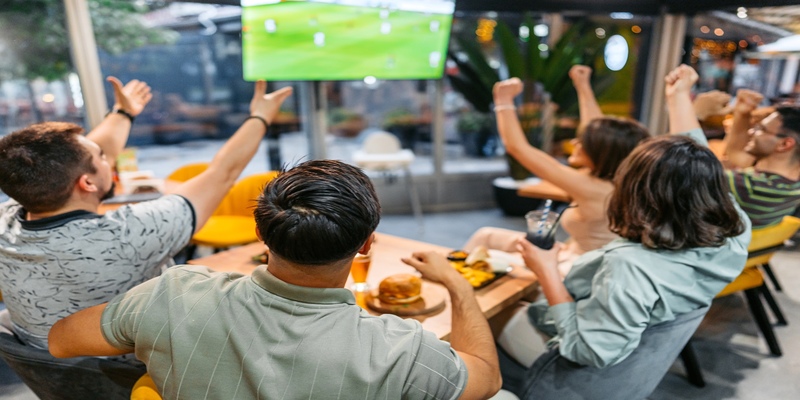
- Go Off-Peak: If a place is highly rated in Local food guides, it will be slammed right after a match. Try eating a late lunch at 3:00 PM or an early dinner to beat the rush.
- Ask a Local: While Local food guides are great, the person sitting next to you in the stadium knows their city best. Ask them where they go for a “victory meal.”
- Be Adventurous: Use this trip to try something you can’t get at home. If the Local food guides recommend a dish that sounds strange, like Poutine with duck confit or Mole with chocolate, give it a chance.
Food is the fuel for your fandom. By following these curated Local food guides, you ensure that your body is as ready for the 90 minutes as your mind is. Exploring the flavors of North America is a journey of discovery that adds a whole new dimension to the tournament.
Conclusion
The 2026 World Cup is a once-in-a-lifetime opportunity to taste the best of three nations. By using professional Local food guides, you transform your trip from a standard sports tour into a rich cultural experience. From the first taco in Mexico City to the last lobster roll in Boston, every meal tells a story of the people and the land.
Planning your food strategy is just as important as your transport. Respect the traditions, embrace the spice, and don’t be afraid to try something new. These Local food guides are your map to a successful and delicious World Cup. We look forward to seeing you at the table—and in the stands. Enjoy every bite and every goal!