


The Strategic Importance of Predicted Squads
As the excitement for the 2026 World Cup builds across North America, fans and analysts are turning their focus to the rosters. With 48 teams competing, the depth of talent required to win has never been greater. Experts are already piecing together predicted squads for top-tier nations like France, Brazil, and the USA. These projections help us understand which teams have the longevity to survive a grueling 104-match tournament.
At worldcup-2026.info, we track every injury report and breakout performance. A team’s success depends on more than just their starting eleven. The predicted squads we see today reflect a mix of aging legends and hungry youngsters. Coaches are currently testing new formations in friendlies to see who makes the final cut. For a supporter, following these roster updates is the best way to gauge a country’s true potential.

The expansion to a larger tournament format means that rotation will be vital. Therefore, the predicted squads for 2026 must include versatile players who can fill multiple roles. Injuries during the domestic season can ruin a nation’s hopes in an instant. By analyzing the current talent pool, we can estimate which nations have the “Plan B” necessary to reach the final in New Jersey.
Key Factors Shaping Predicted Squads for 2026
Building a roster for a tournament of this scale involves several moving parts. Managers are not just looking for the most talented players; they are looking for the right chemistry. When forming predicted teams, analysts consider international experience, current club form, and tactical flexibility. A player who shines in the Premier League might struggle in the heat of a Mexican afternoon.
Age is a massive factor in current predicted squads discussions. We are witnessing a transition where icons like Lionel Messi or Cristiano Ronaldo may play different roles than in the past. Meanwhile, teenagers from top academies are forcing their way into the conversation. The predicted squads for the 2026 edition will likely feature more “Gen Z” stars than any previous tournament. This shift brings a new energy and speed to the international game.
You can find more detailed player profiles in our Teams section. We provide stats on every athlete currently appearing in the predicted teams of the top 20 nations. We also look at the “fringe players” who might benefit from the expanded roster sizes. If FIFA allows for 26-man squads again, it opens the door for specialized talents like set-piece experts or penalty-saving goalkeepers to join the party.
Evaluating Predicted Squads for Top Contenders
When we look at nations like France or England, the talent pool is almost overwhelming. For these countries, the challenge is not finding talent, but cutting it down. The predicted squads for France, for instance, often leave out world-class players who would start for any other nation. This incredible depth makes them a perpetual favorite in every simulation.
In South America, the predicted squads for Brazil and Argentina are also undergoing major changes. Brazil is focusing on high-speed wingers who can exploit the large North American pitches. Argentina is looking for the next generation of midfielders to support their creative core. These predicted squads are a roadmap of how these historic teams plan to dominate the group stages and beyond.
For the host nations, the pressure is even higher. The predicted squads for the United States show a team that has finally matured. Many of their key players are now starters at major European clubs. In Canada and Mexico, the focus is on merging domestic league stars with those playing abroad. These predicted squads represent a unique opportunity to grow the sport in the host region through local heroes.
Data and Trends in Predicted Squads Projections
Modern football relies heavily on data, and so do our predicted squads. Scouts use advanced metrics to find players who perform well under pressure. We look at “expected goals” and “progressive carries” to see who deserves a spot in the 2026 rosters. These numbers often reveal hidden gems that traditional scouting might miss, leading to surprising inclusions in predicted squads.
Another trend is the “multi-national” player. Many athletes are eligible for more than one country. The race to cap these players often changes the predicted squads overnight. A young star choosing to play for the USA instead of a European giant can shift the balance of power. We keep a close eye on these dual-national developments to keep our predicted squads as accurate as possible.
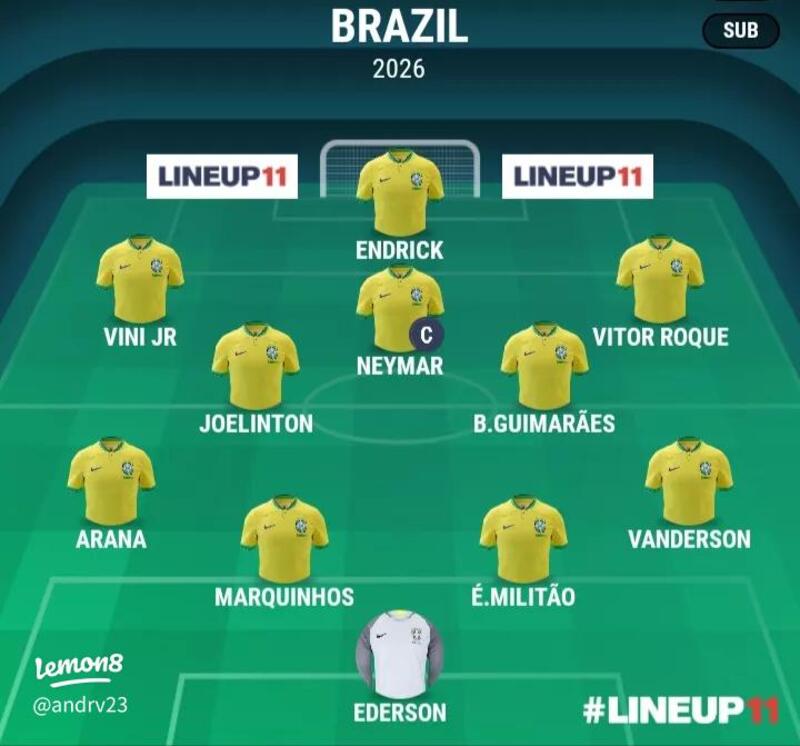
Tactical trends also dictate who makes the list. Currently, “high-pressing” systems are popular. This means predicted squads are leaning towards players with elite stamina and defensive work rates. If a player cannot defend from the front, they might find themselves left out of the final roster. The physical demands of the 2026 tournament will be extreme, and the predicted squads will reflect that reality.
Conclusion: The Final Path to Selection
In conclusion, the journey to the World Cup is as much about the roster as it is about the results. The predicted squads we discuss today are the foundation of future success. They spark debates among fans and give us a glimpse into the minds of the world’s best coaches. While the final list won’t be official until shortly before the tournament, these projections are essential for any serious follower of the game.
At worldcup-2026.info, we are dedicated to providing the most up-to-date analysis on these roster battles. We will continue to refine our predicted squads as the qualifiers wrap up and the domestic seasons conclude. Whether your team is a favorite or an underdog, the players selected will carry the hopes of an entire nation.
The road to the 2026 World Cup is paved with difficult decisions for every manager. One injury or one breakout season can change everything. Stay tuned to our updates as we move closer to the final squad announcements. The world is watching, and the players in these predicted squads are ready to become legends on the North American stage.