



The Grand Expansion of the FIFA 2026 Host Cities List
The upcoming World Cup is breaking all previous records. For the first time, 48 nations will compete for the ultimate trophy. To accommodate this massive growth, the tournament will span an entire continent. The FIFA 2026 host cities list represents a diverse collection of cultures and landscapes. From the historic streets of Mexico City to the skyscrapers of New York, the stage is set for something legendary.
At worldcup-2026.info, we have been tracking the selection process since the beginning. Choosing these locations wasn’t just about stadium size. FIFA looked at infrastructure, fan experience, and regional balance. The final FIFA 2026 host cities list includes 16 unique destinations. Each city brings its own flavor to the beautiful game. This expansion ensures that fans from all over the world can find a piece of home in North America.
Navigating this vast geography requires careful planning. Whether you are following a specific team or just want to experience the atmosphere, this list is your starting point. The distances are large, but the excitement is even larger. Let’s take a closer look at the places that will define the summer of 2026.

Regional Breakdown of the FIFA 2026 Host Cities List
To manage the logistics of a 48-team tournament, FIFA divided the venues into three regions. This helps reduce travel fatigue for players and supporters. When you look at the FIFA 2026 host cities list, you will see a clear West, Central, and East division. This strategic grouping is essential for the flow of the group stages and knockout rounds.
The Western Region
This region features some of the most scenic coastal locations. These cities are known for their modern stadiums and passionate fan bases.
- Vancouver, Canada: BC Place will be the heart of the Canadian West.
- Seattle, USA: Lumen Field is famous for its incredible noise and atmosphere.
- San Francisco Bay Area, USA: Levi’s Stadium in Santa Clara offers a high-tech viewing experience.
- Los Angeles, USA: SoFi Stadium is a billion-dollar marvel ready for the global spotlight.
- Guadalajara, Mexico: Estadio Akron is a beautiful venue that represents Mexico’s deep football roots.
The Central Region
The heartland of the continent provides a mix of high-altitude challenges and massive indoor arenas.
- Kansas City, USA: Known for its BBQ and incredible sports culture at Arrowhead Stadium.
- Dallas, USA: AT&T Stadium will host a high volume of matches due to its massive capacity.
- Houston, USA: NRG Stadium offers a climate-controlled environment in the Texas heat.
- Atlanta, USA: Mercedes-Benz Stadium features a unique retractable roof and a vibrant city vibe.
- Monterrey, Mexico: Estadio BBVA is famous for its stunning mountain views.
- Mexico City, Mexico: The legendary Estadio Azteca is the crown jewel of the FIFA 2026 host cities list.
The Eastern Region
The Atlantic coast cities provide historic sites and a gateway to Europe and Africa.
- Toronto, Canada: BMO Field is the soul of Canadian soccer in the country’s largest city.
- Boston, USA: Gillette Stadium in Foxborough has a long history of hosting major international games.
- Philadelphia, USA: Lincoln Financial Field brings a gritty, passionate energy to the tournament.
- Miami, USA: Hard Rock Stadium offers a tropical, international flair perfect for the World Cup.
- New York/New Jersey, USA: MetLife Stadium is the prestigious site chosen for the Final match.
Stadium Standards Within the FIFA 2026 Host Cities List
Every location on the FIFA 2026 host cities list had to meet strict requirements. FIFA doesn’t just want a field; they want a world-class entertainment complex. Most of these venues are home to NFL teams, meaning they already handle 70,000+ fans regularly. However, soccer requires specific modifications. Several stadiums on the FIFA 2026 host cities list are undergoing renovations to widen their pitches or install natural grass.
If you visit our Venues section, you can see the technical details of each stadium. For instance, SoFi Stadium in Los Angeles is a masterpiece of glass and steel. Meanwhile, Estadio Azteca is focusing on preserving its historic soul while adding modern VIP amenities. The variety in the FIFA 2026 host cities list is its greatest strength. You can go from a high-tech dome in Atlanta to a sun-drenched stadium in Miami in just a few days.
Technology also plays a huge role. These stadiums feature massive HD screens and advanced connectivity. Fans can share their experiences in real-time without worrying about signal drops. This digital infrastructure is a key part of why these specific cities made the FIFA 2026 host cities list. FIFA wants the 2026 edition to be the most “connected” tournament in history.
Fan Logistics Across the FIFA 2026 Host Cities List
Traveling between the locations on the FIFA 2026 host cities list is a major undertaking. North America is huge, and the distances shouldn’t be underestimated. For example, flying from Vancouver to Mexico City takes several hours. Fans need to be smart about their itineraries. Following the FIFA 2026 host cities list means booking flights and hotels well in advance.
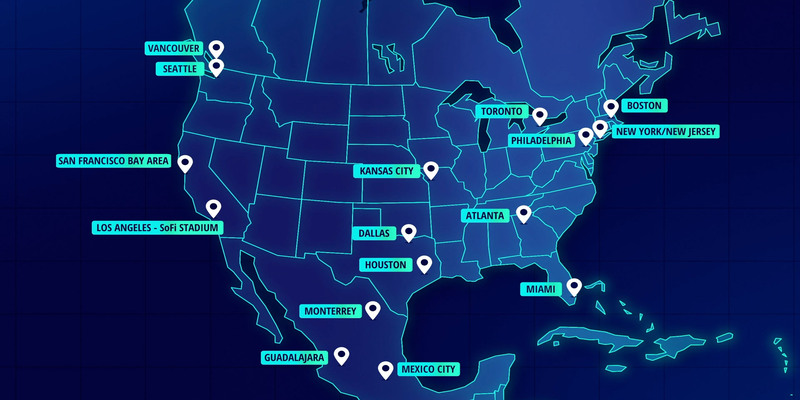
Public transport varies between these cities. In places like New York and Toronto, trains and subways are excellent. In other spots like Dallas or Kansas City, you might rely more on ride-sharing or shuttles. We recommend checking the local guides for each entry on the FIFA 2026 host cities list. Each city is preparing “Fan Festivals” where those without tickets can still watch the games on giant screens. These zones will be the lifeblood of the tournament.
The economic impact of being on the FIFA 2026 host cities list is staggering. Millions of visitors will pump billions of dollars into local restaurants, hotels, and shops. This is why the competition to be selected was so fierce. For the chosen cities, it is an opportunity to showcase their unique identity to a global audience of billions.
Why This Specific FIFA 2026 Host Cities List Matters
This list isn’t just a group of names. It represents the unification of a continent. The FIFA 2026 host cities list proves that sports can bridge borders. We are seeing three nations work together to manage the most complex sporting event ever held. The logistical cooperation between the USA, Mexico, and Canada is unprecedented.
The FIFA 2026 host cities list also highlights the growth of soccer in North America. Twenty years ago, many of these cities didn’t even have a professional team. Today, they are ready to host the world. This tournament will leave a lasting legacy for youth players and fans across the continent. The stadiums will remain, but the memories created in these 16 cities will last forever.
In conclusion, the FIFA 2026 host cities list is the foundation of the upcoming World Cup. It provides a diverse stage for the world’s best athletes. From the cold Atlantic to the warm Pacific, the world is coming to North America. We invite you to explore each city, learn about their stadiums, and prepare for the journey of a lifetime. The countdown has begun, and the hosts are ready.