



The 2026 FIFA World Cup isn’t just another tournament. It is a historic expansion. For the first time, 48 teams will compete across three nations. This means more matches, more fans, and more iconic moments. As the editorial team at worldcup-2026.info prepares for the kickoff, the focus naturally shifts to the cathedrals of the sport.
The selection of match venues by city reflects the diversity of North America. We aren’t just looking at turf and seats. We are looking at cultural hubs that will host millions of visitors. From the high altitudes of Mexico City to the coastal breezes of Vancouver, each location offers a unique atmosphere. Understanding the layout of these host cities is the first step for any fan planning their journey.
In this guide, we break down the infrastructure that will define the summer of 2026. Whether you are a die-hard supporter or a casual viewer, knowing where the action happens is essential. Let’s dive into the stadiums that will make history.
Mapping the Official Match Venues by City
When organizing a tournament of this scale, logistics are everything. FIFA has divided the hosting duties into three distinct regions: West, Central, and East. This strategy helps manage travel times for players and fans alike. Below is the comprehensive breakdown of the official match venues by city across the United States, Mexico, and Canada.

The Western Region
- Vancouver, Canada: BC Place. A jewel of the Pacific Northwest with a retractable roof.
- Seattle, USA: Lumen Field. Known for its deafening atmosphere and passionate soccer culture.
- San Francisco Bay Area, USA: Levi’s Stadium. A high-tech marvel located in Santa Clara.
- Los Angeles, USA: SoFi Stadium. The most expensive stadium ever built, ready for the global spotlight.
- Guadalajara, Mexico: Estadio Akron. An architectural masterpiece home to Chivas.
The Central Region
- Kansas City, USA: Arrowhead Stadium. Famous for its incredible noise levels.
- Dallas, USA: AT&T Stadium. A massive indoor arena that will host a significant number of matches.
- Houston, USA: NRG Stadium. Another climate-controlled venue perfect for the Texas heat.
- Atlanta, USA: Mercedes-Benz Stadium. A modern facility with a unique “pinwheel” roof.
- Monterrey, Mexico: Estadio BBVA. Often called the “Steel Giant,” nestled against the mountains.
- Mexico City, Mexico: Estadio Azteca. The legendary temple of football, hosting its third World Cup.
The Eastern Region
- Toronto, Canada: BMO Field. The heart of Canadian soccer, currently undergoing expansion.
- Boston, USA: Gillette Stadium. A historic site for American sports in Foxborough.
- Philadelphia, USA: Lincoln Financial Field. A gritty, energetic venue in the City of Brotherly Love.
- Miami, USA: Hard Rock Stadium. A global destination that fits the World Cup’s international flair.
- New York/New Jersey, USA: MetLife Stadium. The massive stage selected to host the prestigious Final.
Architectural Marvels and Fan Experience
Looking at the match venues by city, it is clear that 2026 will set a new standard for stadium technology. These aren’t just patches of grass. They are entertainment complexes. For instance, the venues in Dallas and Atlanta feature massive halo screens and retractable roofs. These features ensure that even if the weather turns, the game goes on.
In Mexico, the focus is on heritage. Estadio Azteca is undergoing massive renovations to meet modern FIFA standards while preserving its soul. Fans visiting this specific match venues by city entry will walk the same halls as Pelé and Maradona. It’s a bridge between the past and the future.
Meanwhile, Canada’s contributions bring a distinct North American flavor. BC Place in Vancouver offers stunning views and a downtown location that makes “match day” feel like a city-wide festival. Each of these match venues by city was chosen not just for its capacity, but for its ability to handle the “fan zone” requirements. Access to public transit, proximity to airports, and hotel availability played huge roles in the selection process.
Strategic Logistics for the 2026 Match Venues by City
Planning your trip requires more than just a ticket. You need to look at the Schedules to see how teams move between these locations. Because the tournament spans a continent, FIFA is grouping group-stage matches by region. This means if a team starts in the West, they likely won’t fly to the East Coast until the knockout rounds.
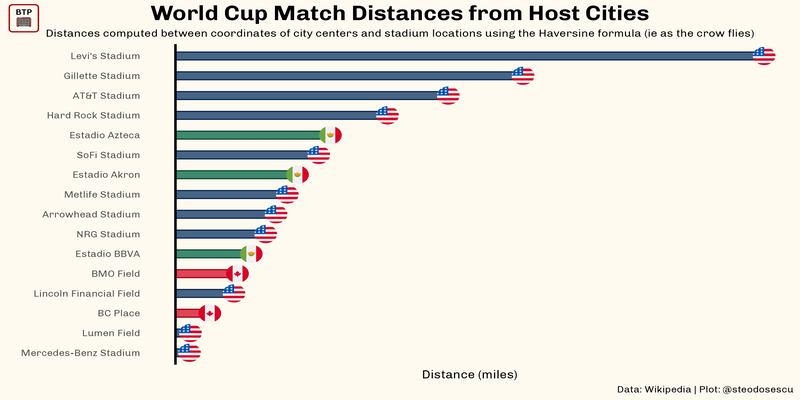
The match venues by city list also highlights the different playing conditions. Players will face the humidity of Miami and Houston, the thin air of Mexico City, and the mild summers of Toronto. Sports scientists are already analyzing how these environments will affect performance. For fans, this means packing for every possible climate.
Transport between these match venues by city will primarily be by air. However, in clusters like the Northeast corridor (Philadelphia, New York, Boston), train travel remains a viable and scenic option. Navigating the vast distances of North America is a challenge, but the reward is seeing the world’s best talent in world-class facilities.
Final Thoughts on the 2026 Stadium Landscape
As we count down the days, the anticipation grows. The 16 match venues by city represent the best of North American hospitality and engineering. From the sleek glass of SoFi Stadium to the historic concrete of the Azteca, the stage is set for a spectacle unlike any other.
The 2026 World Cup is more than a sporting event; it is a massive logistical feat. By distributing the match venues by city across three countries, FIFA is ensuring that the beautiful game reaches every corner of the continent. This tournament will likely break attendance records, and these stadiums are the reason why.
Stay tuned to our updates as we provide more deep dives into each stadium’s specific layout and seating charts. Whether you are heading to the heights of Mexico or the shores of Vancouver, the 2026 World Cup promises to be an unforgettable journey. The world is coming to North America, and these cities are ready to welcome them with open arms.